“The real voyage of discovery consists not in seeking new landscapes, but in having new eyes.”
- Marcel Proust
- Marcel Proust
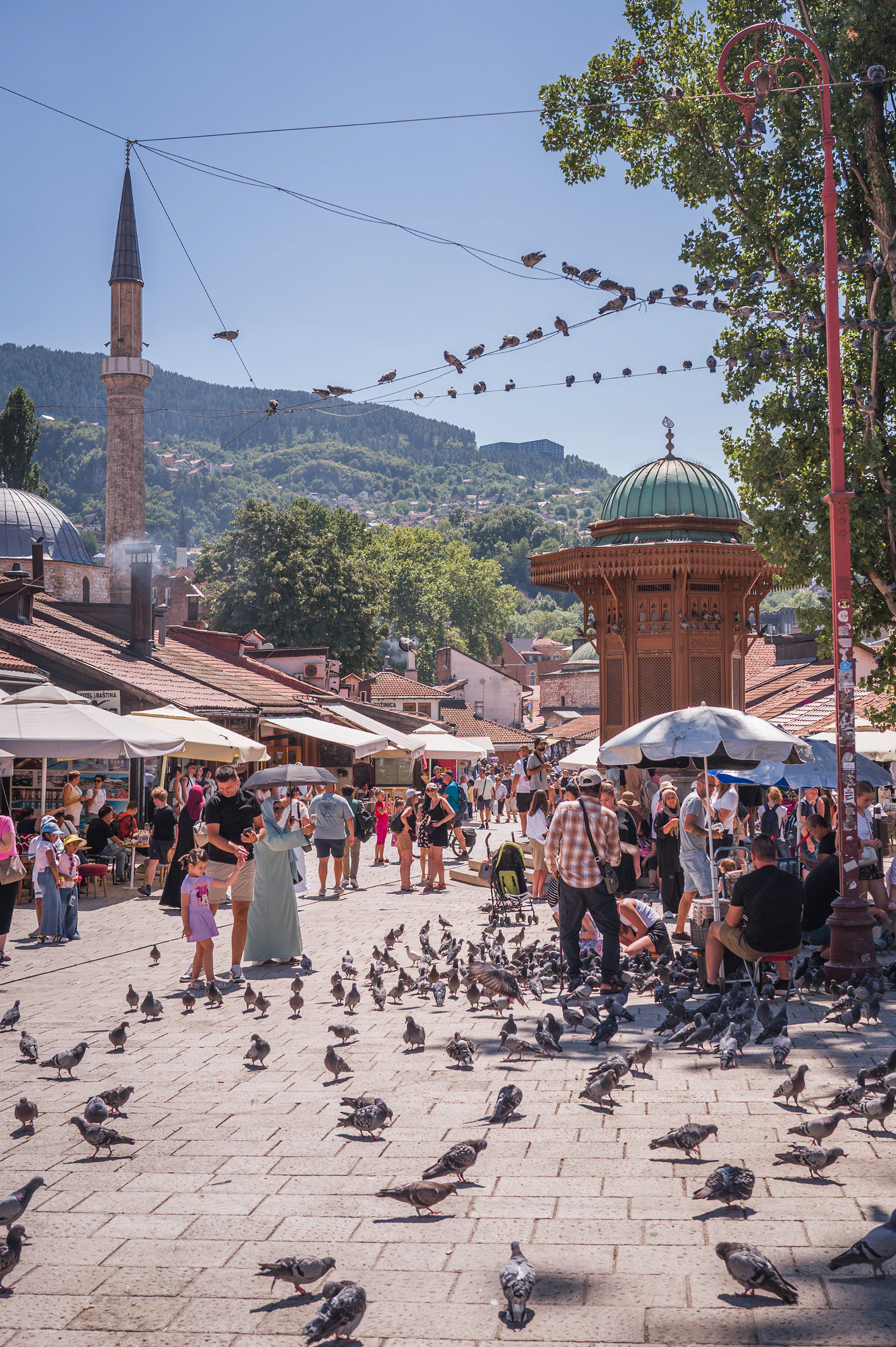
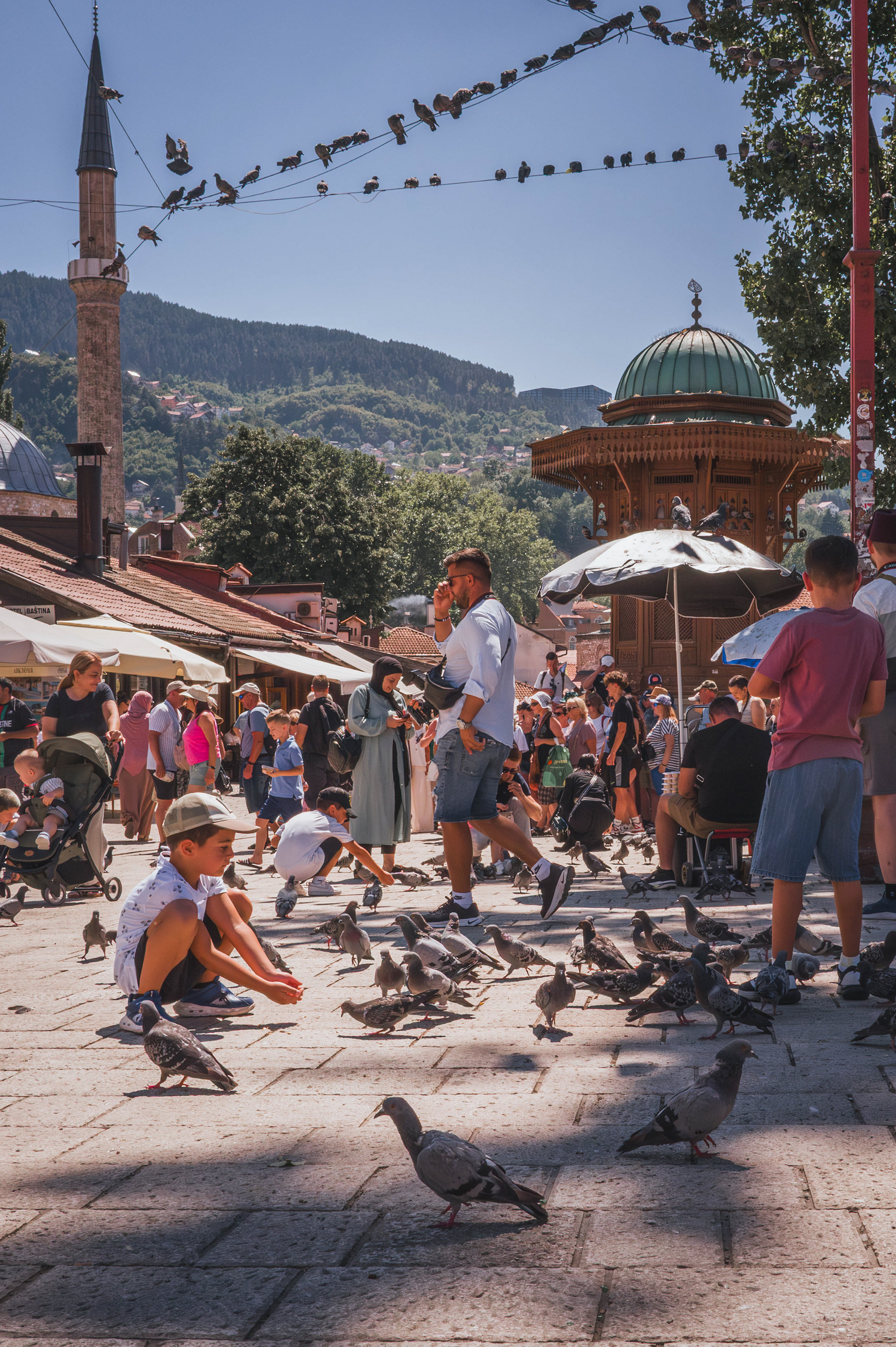
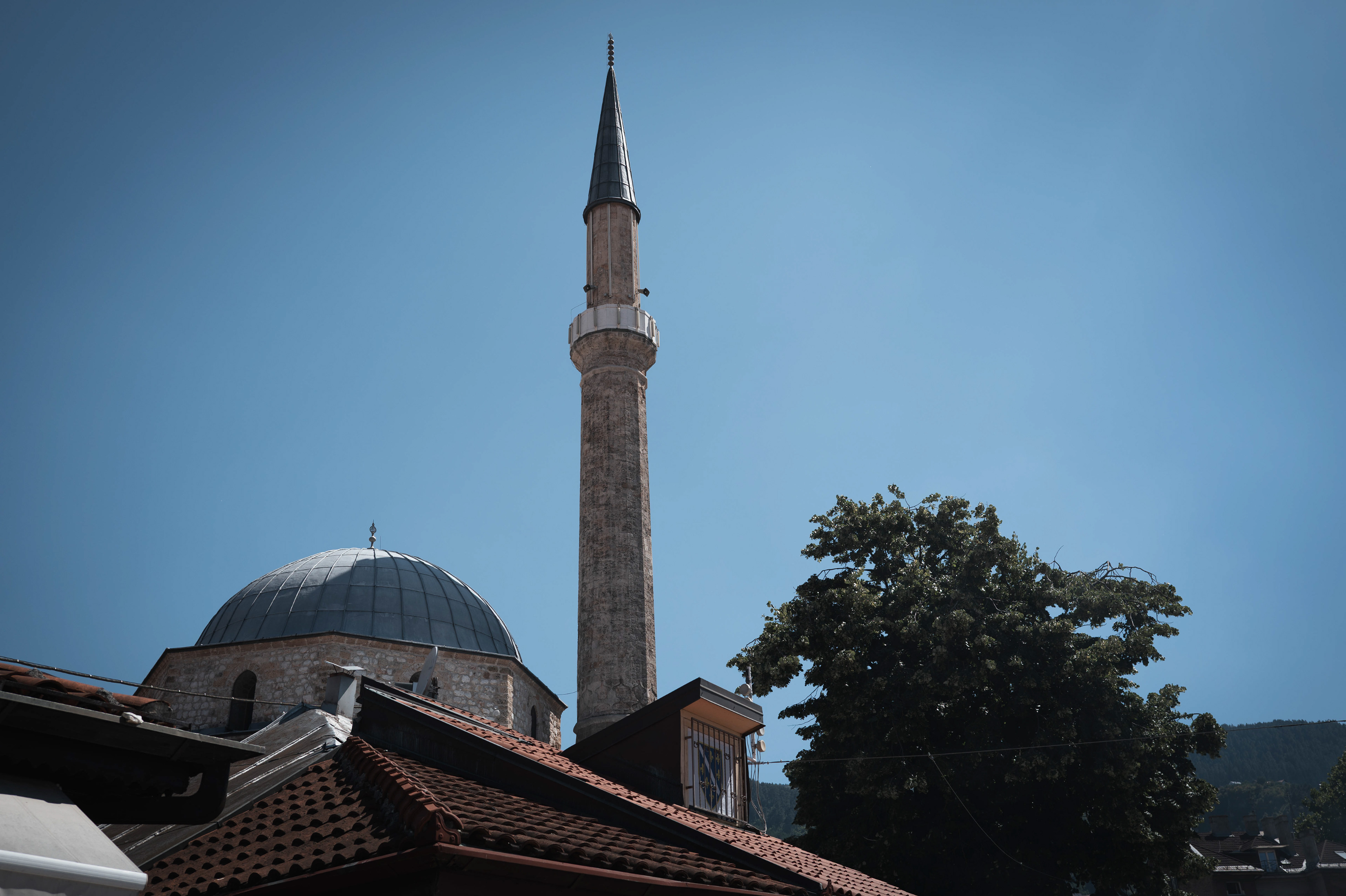
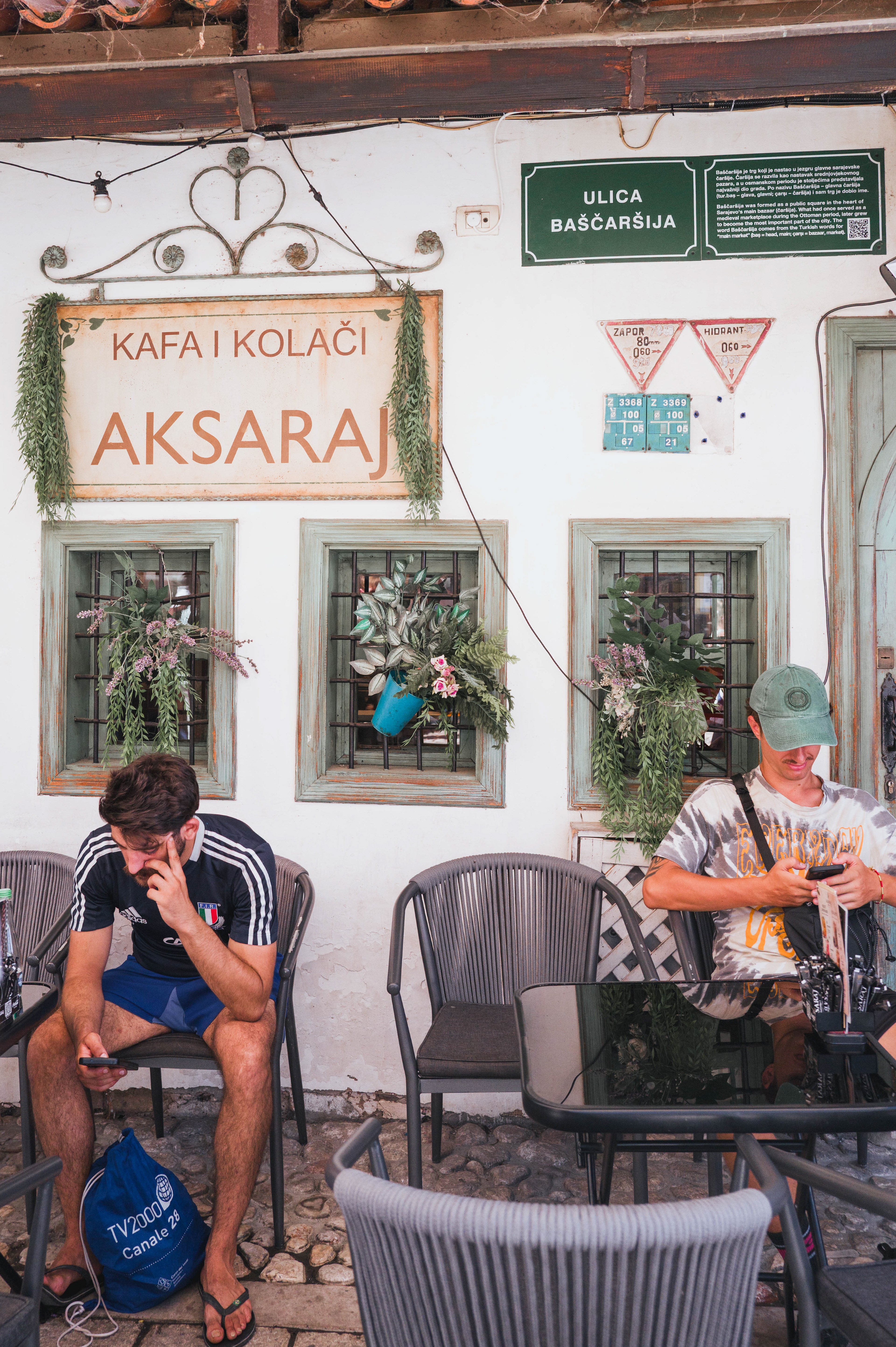
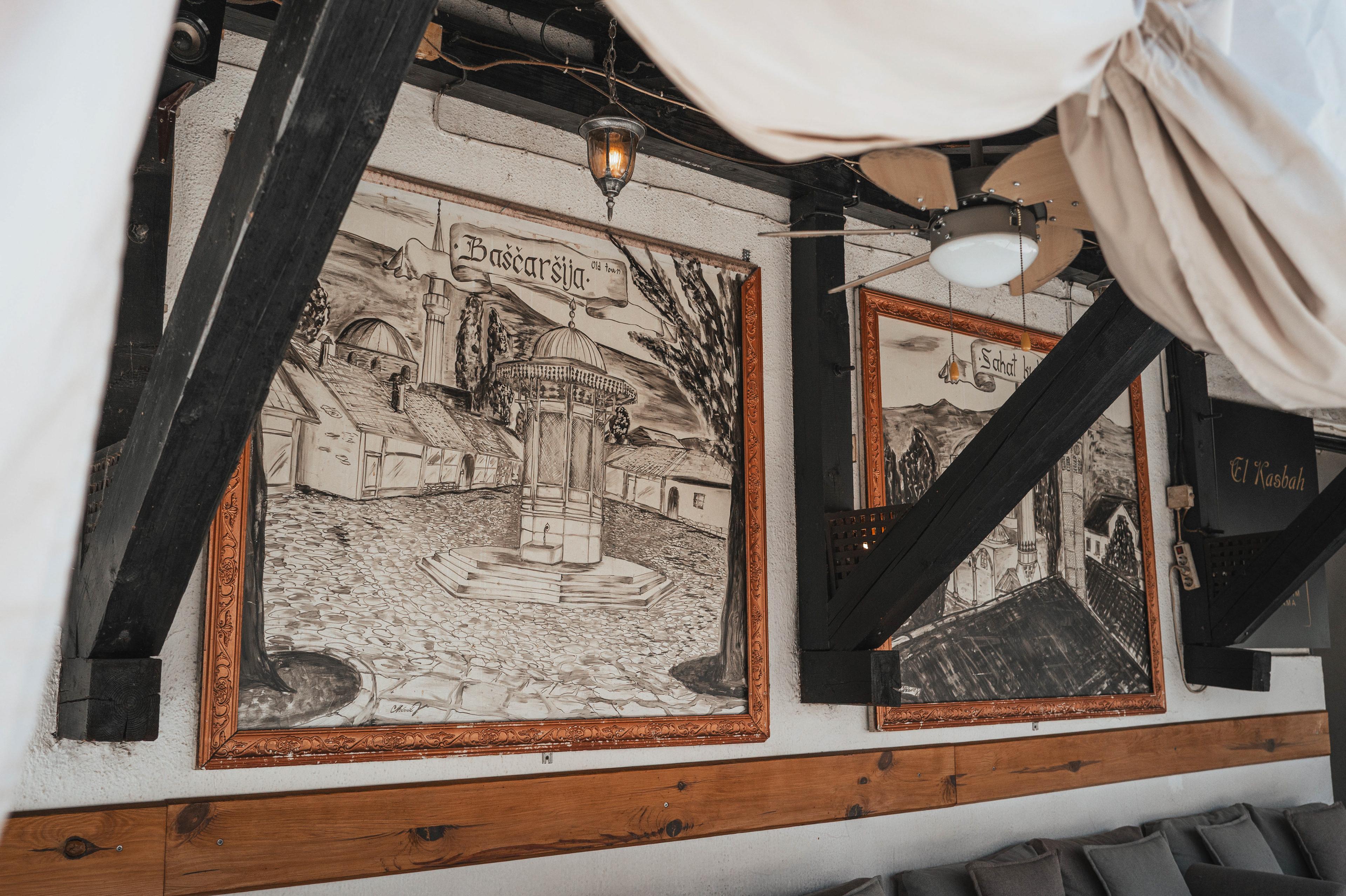
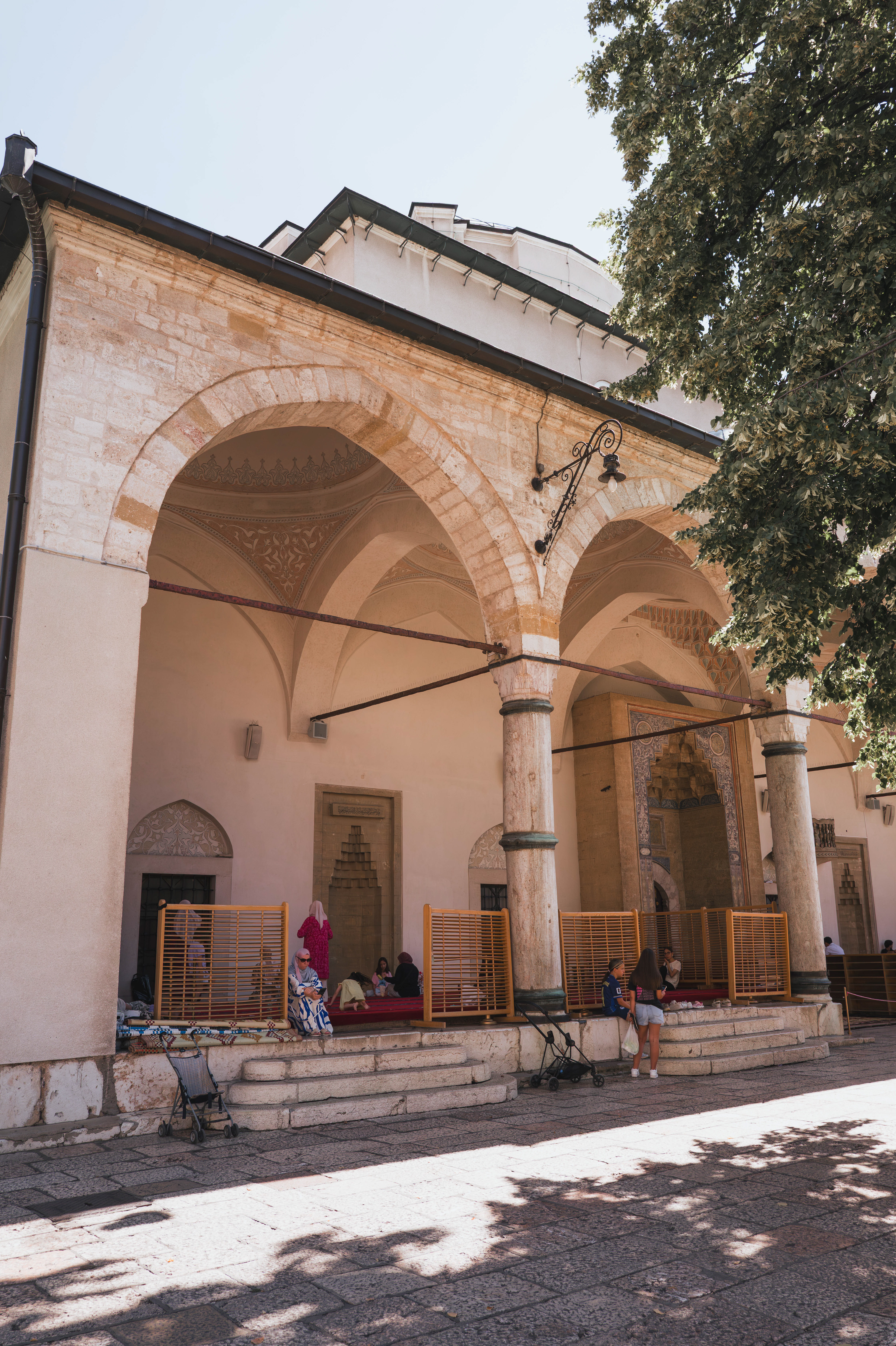
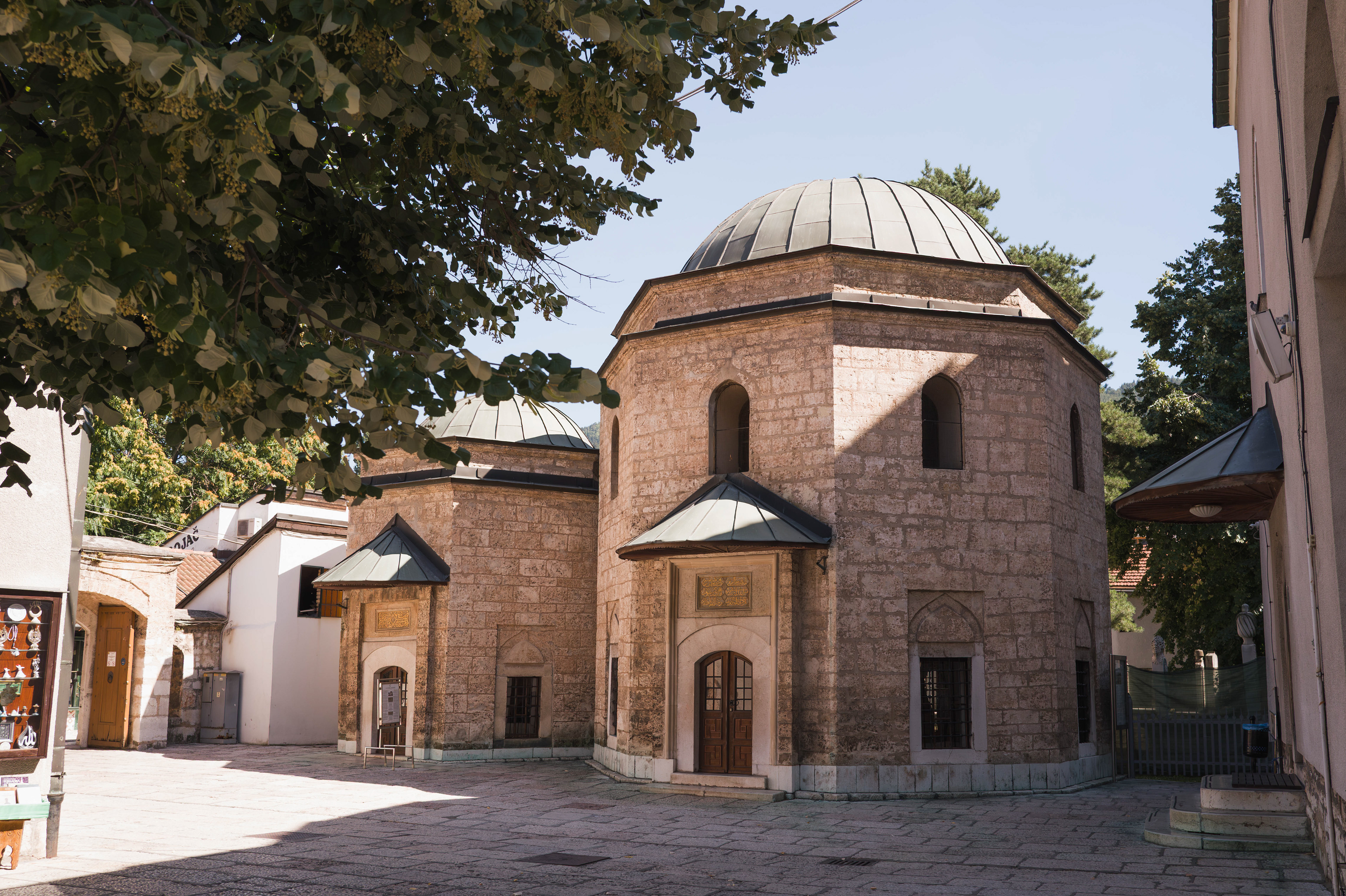
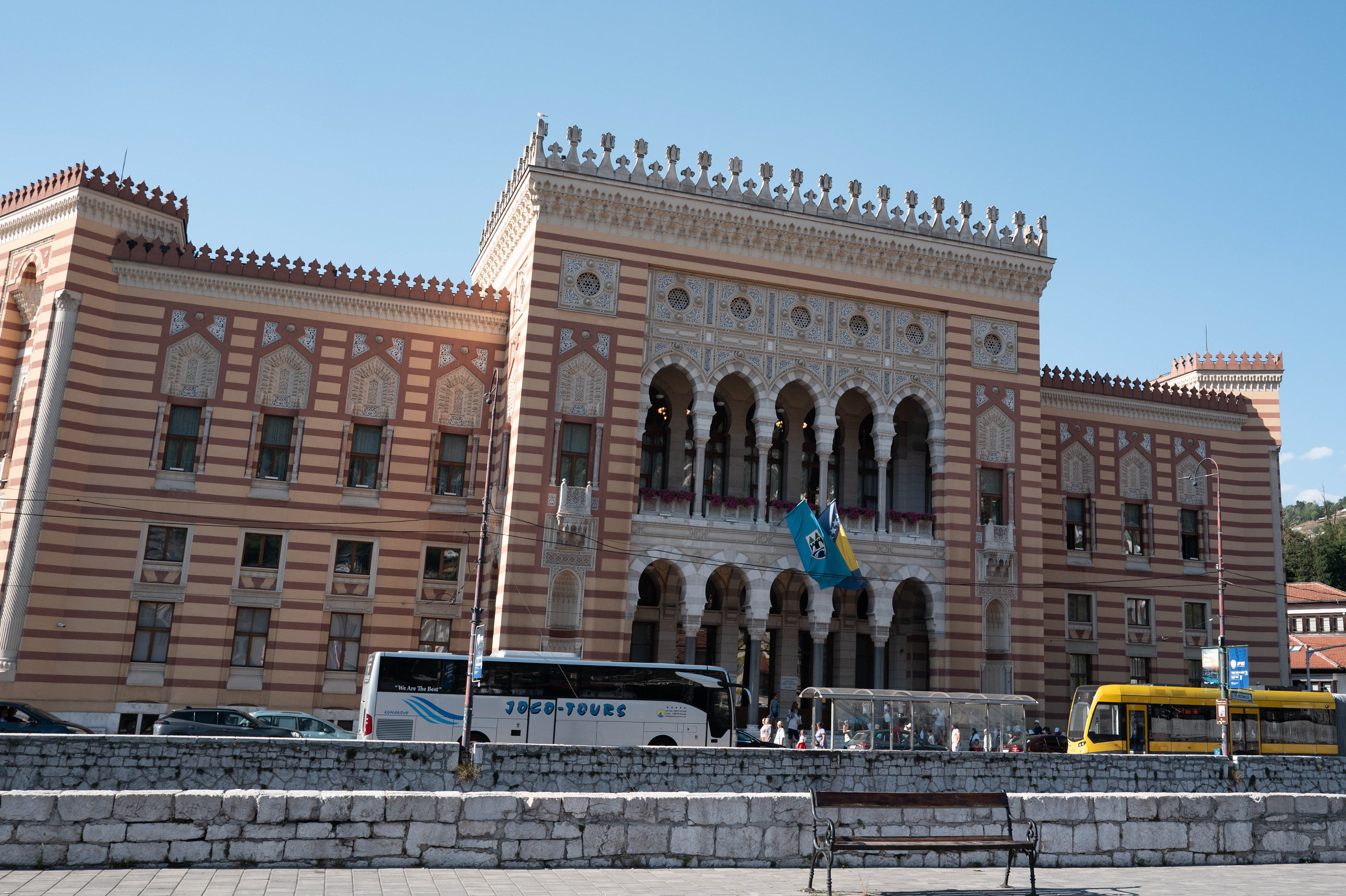
Sarajevo sits in a valley surrounded by mountains and is one of those cities where history is quite literally all around you. Its Old Town, Baščaršija, is the historic heart of the city, shaped by centuries of Ottoman, Austro-Hungarian and Balkan influence. Mosques, churches, markets, traditional workshops and cafés all sit alongside one another, creating a fascinating mix of cultures and religions.
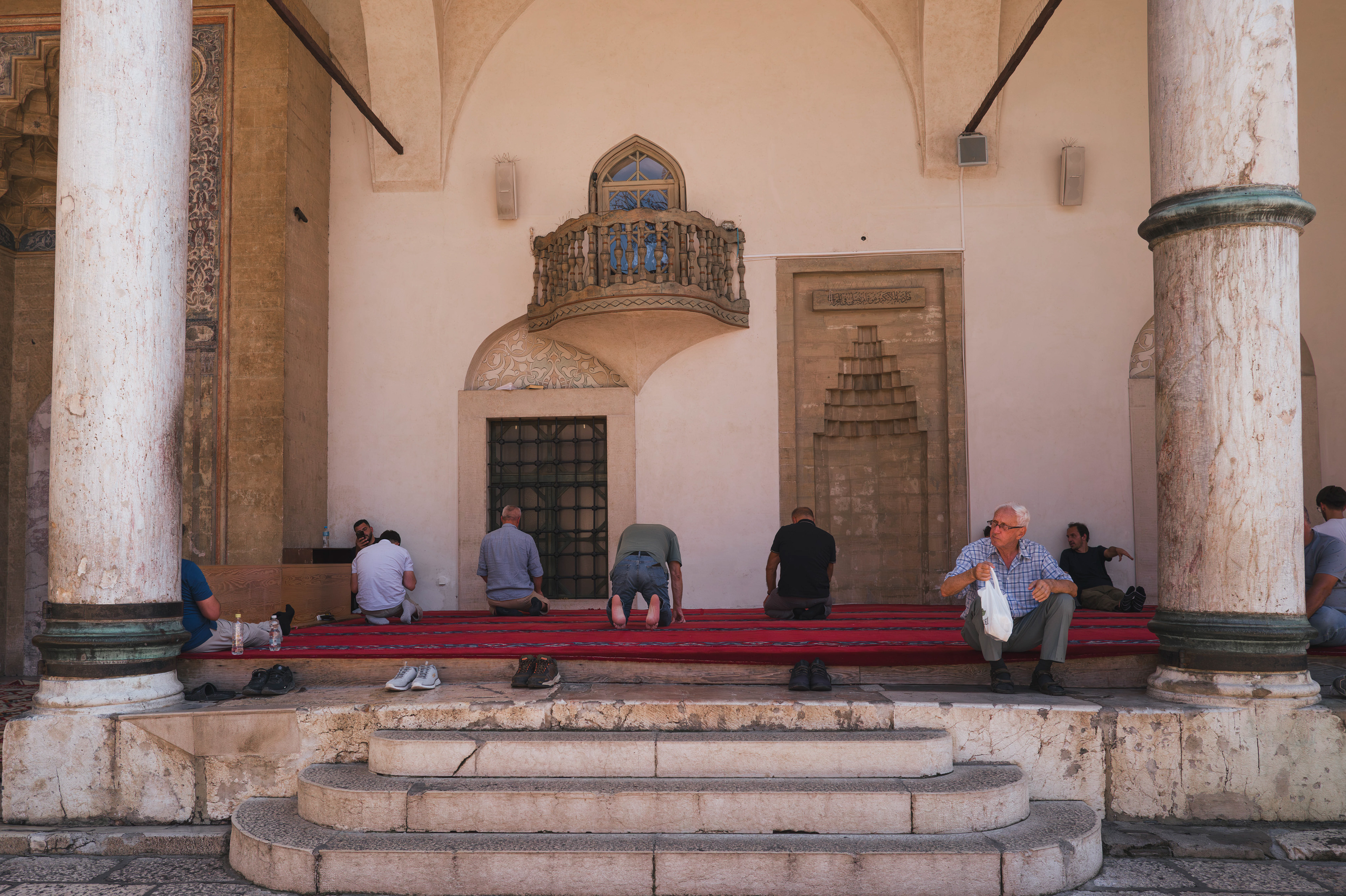
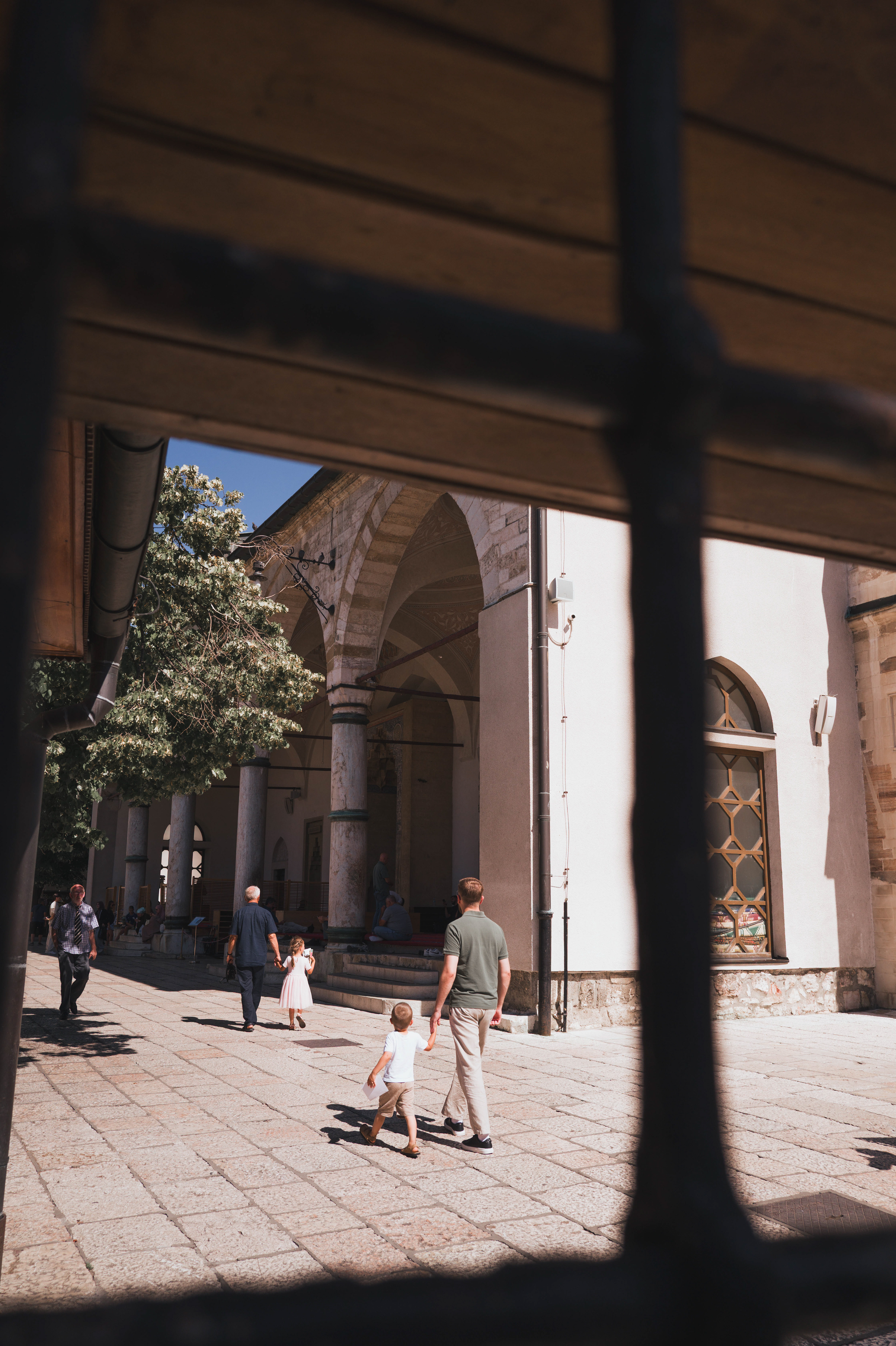
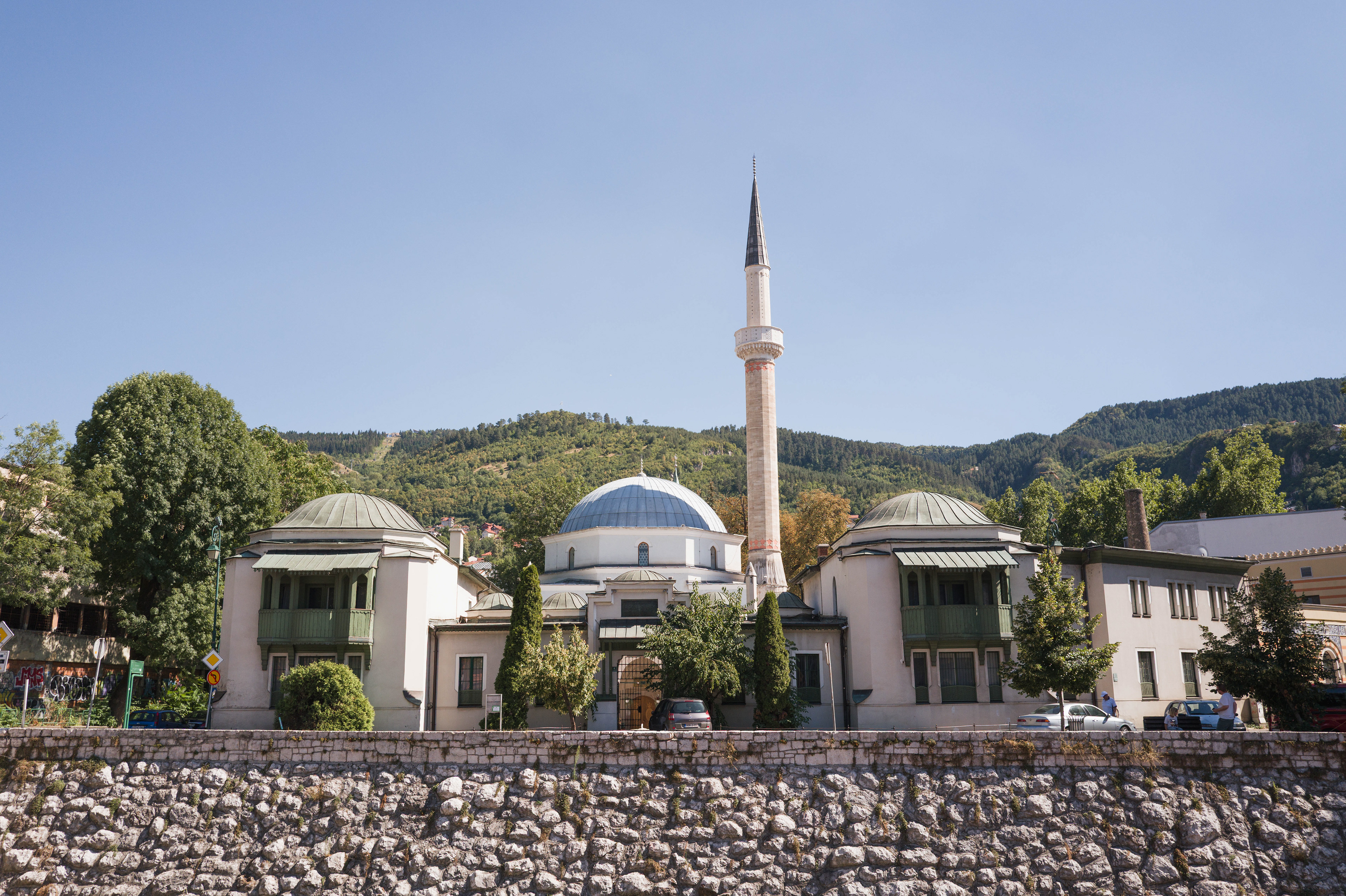
It was this cultural and religious mix that fascinated us most. The Turkish and Ottoman influence is everywhere, from the architecture and little courtyards to the cafés, food and traditional shops. Yet amongst all of this you’ll find Catholic and Orthodox churches, a synagogue and some of Sarajevo’s most important mosques. It felt like so many different chapters of history had been brought together in one place.
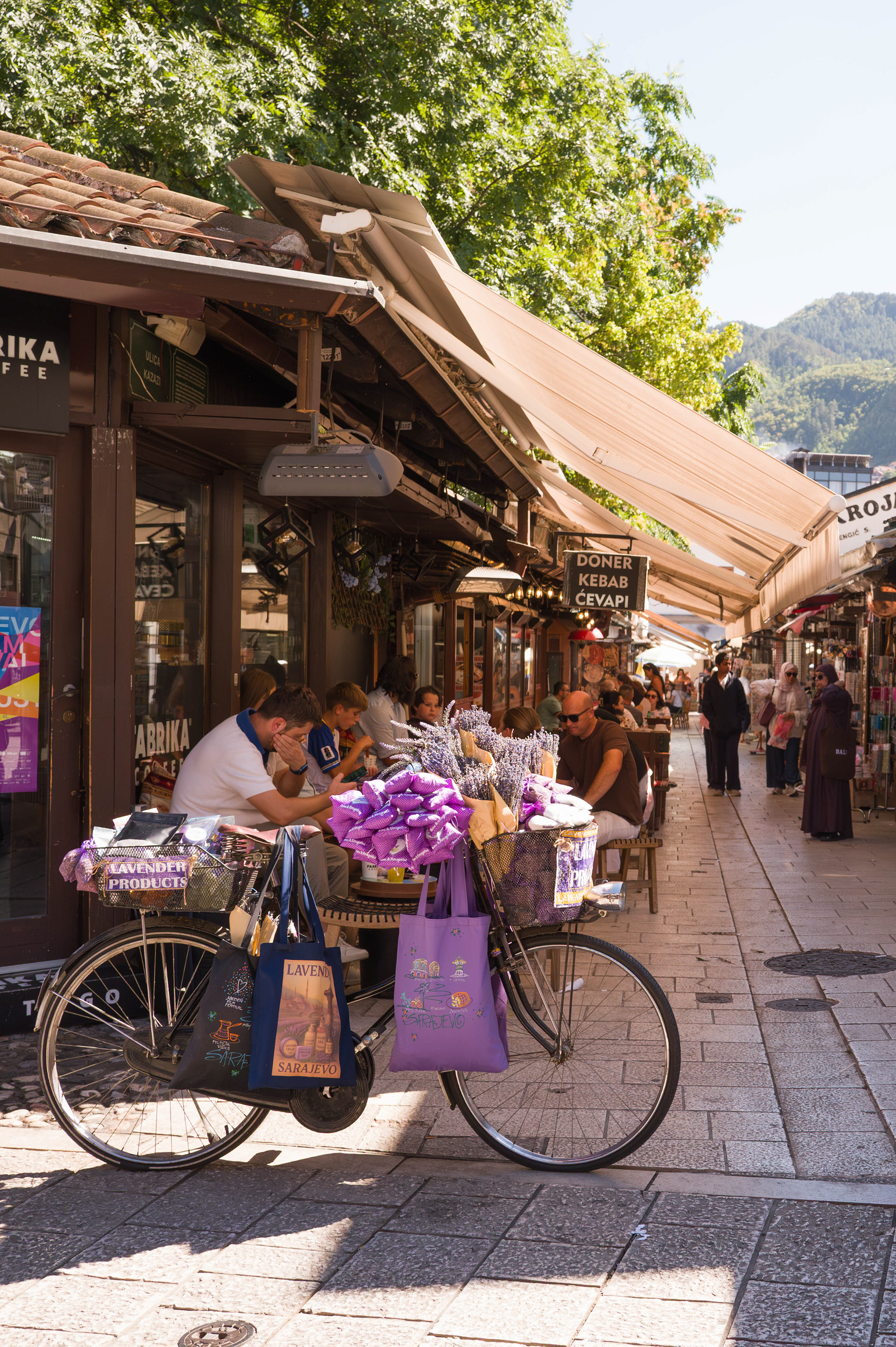
We spent hours simply wandering, turning down one alley and then another, never quite knowing what we would find. It is such a brilliant place for people watching, with locals going about their day, people sitting drinking Bosnian coffee and the streets constantly buzzing with conversation.
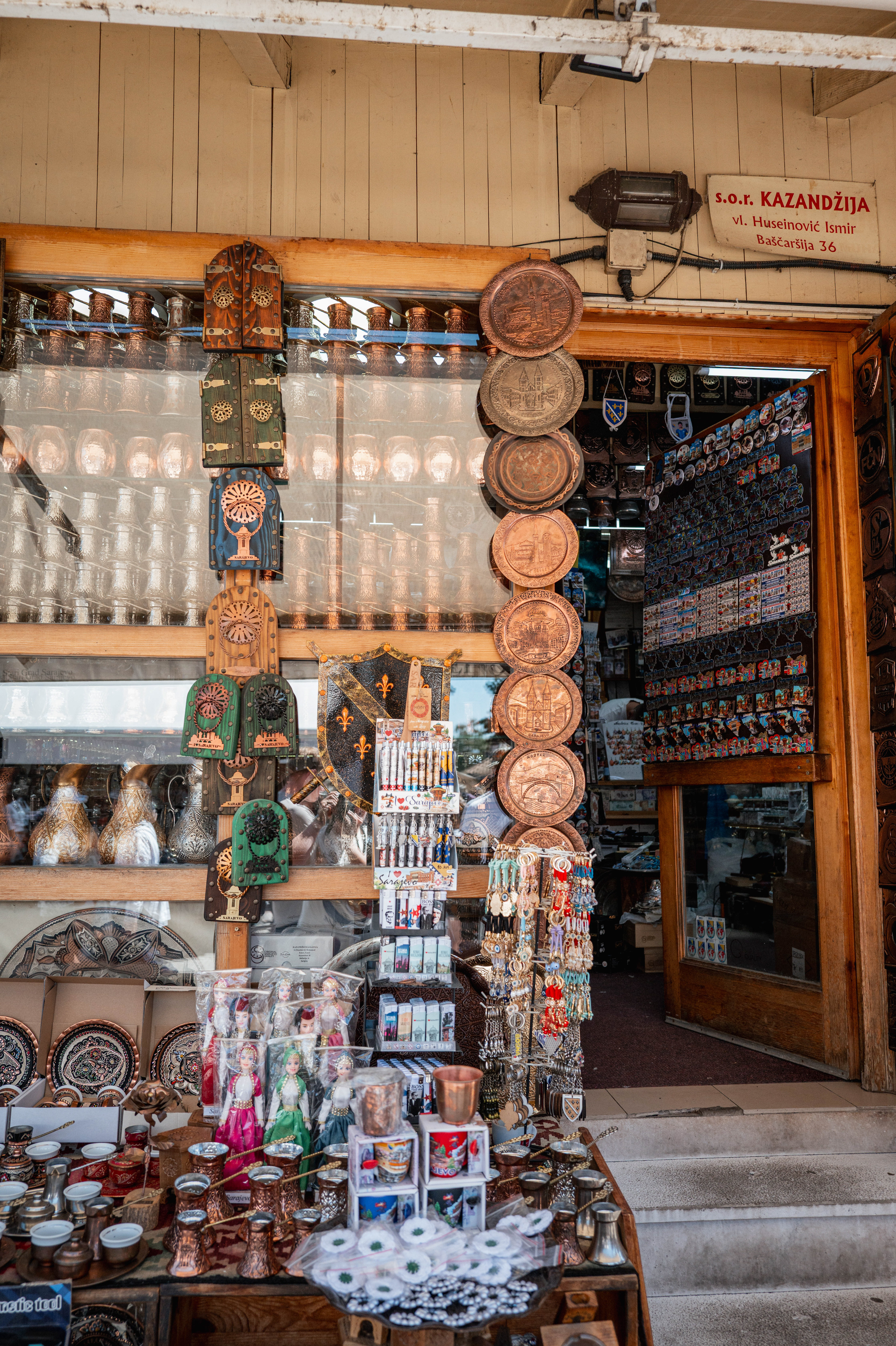
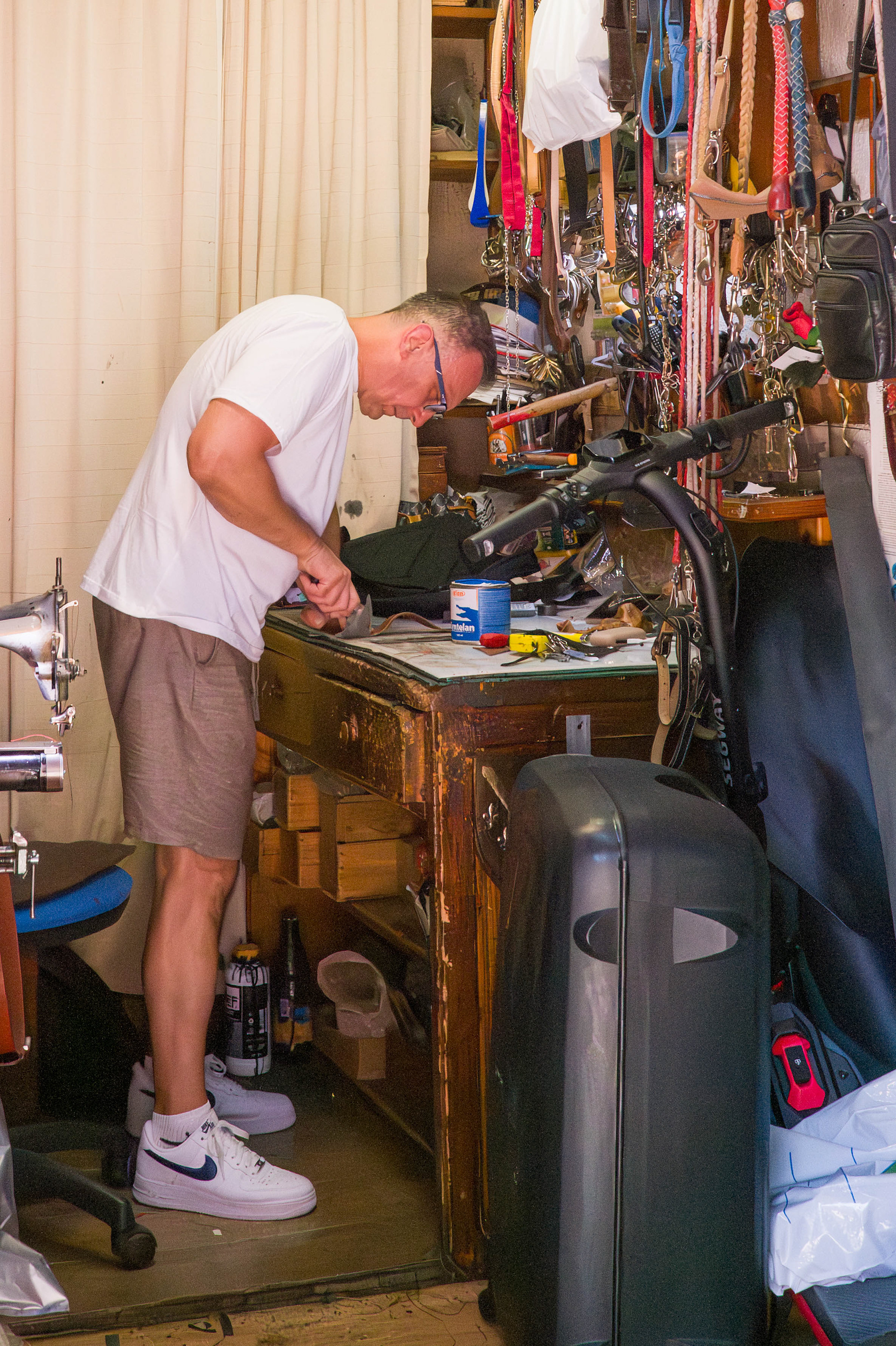
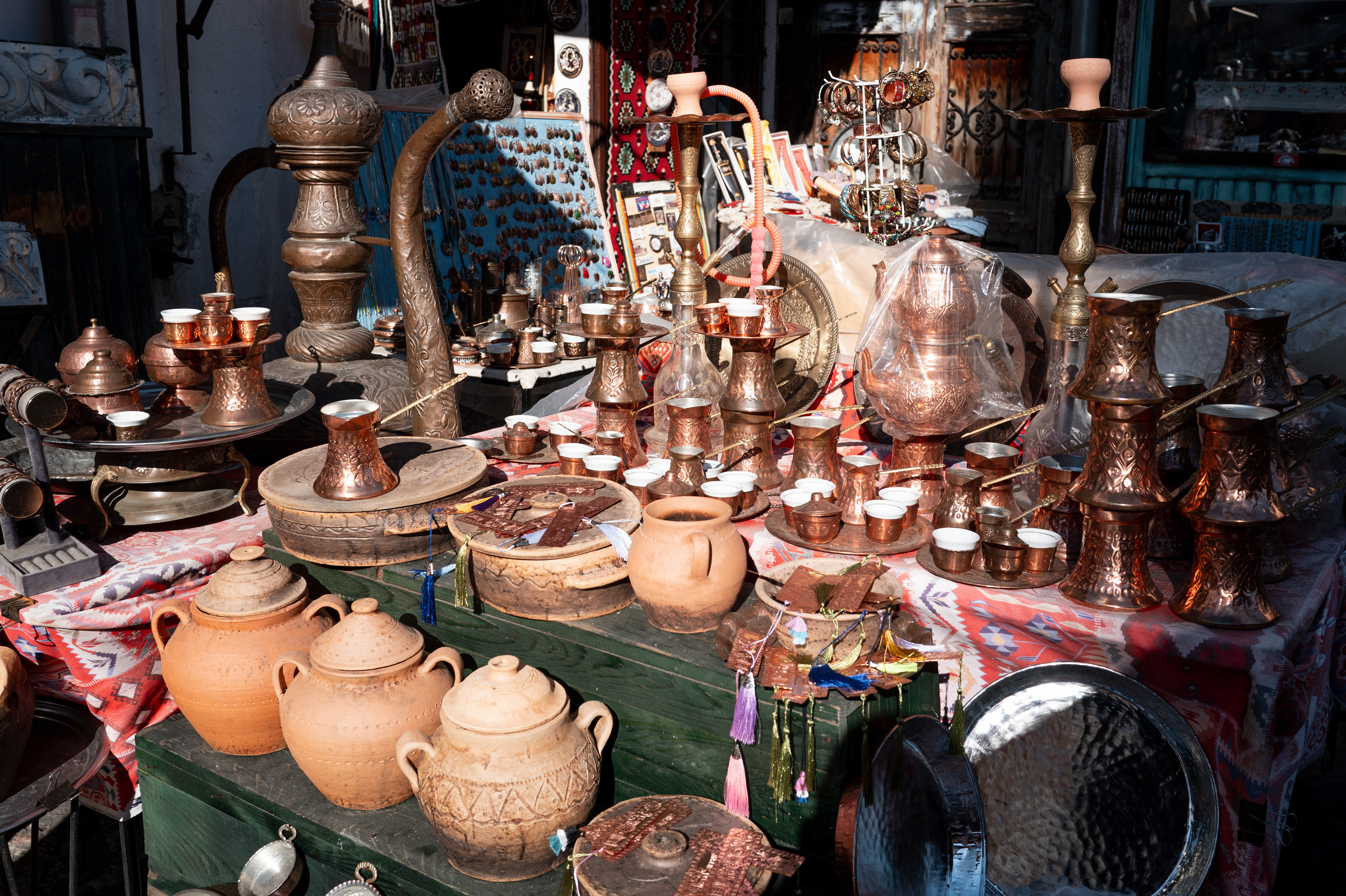
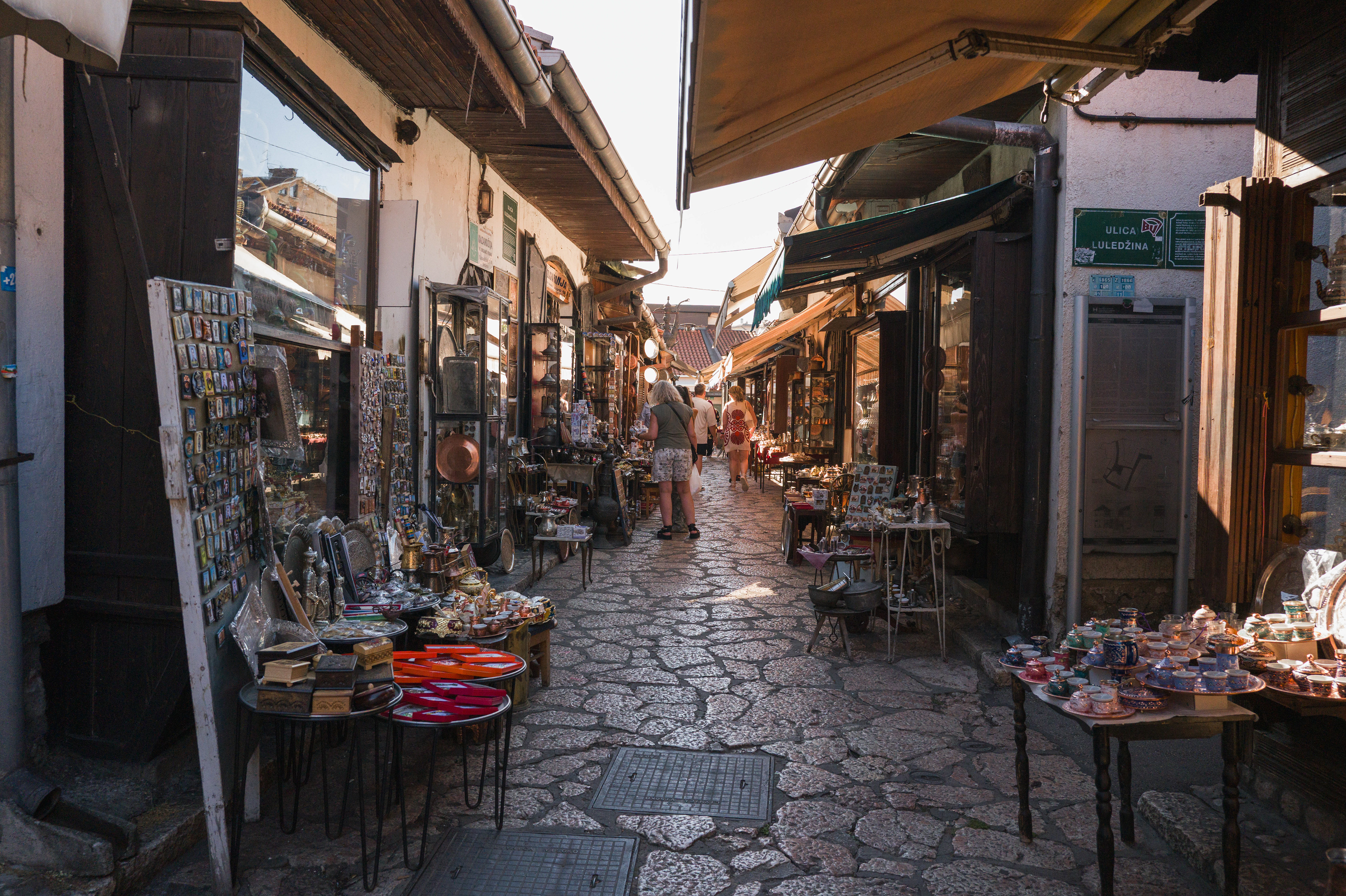
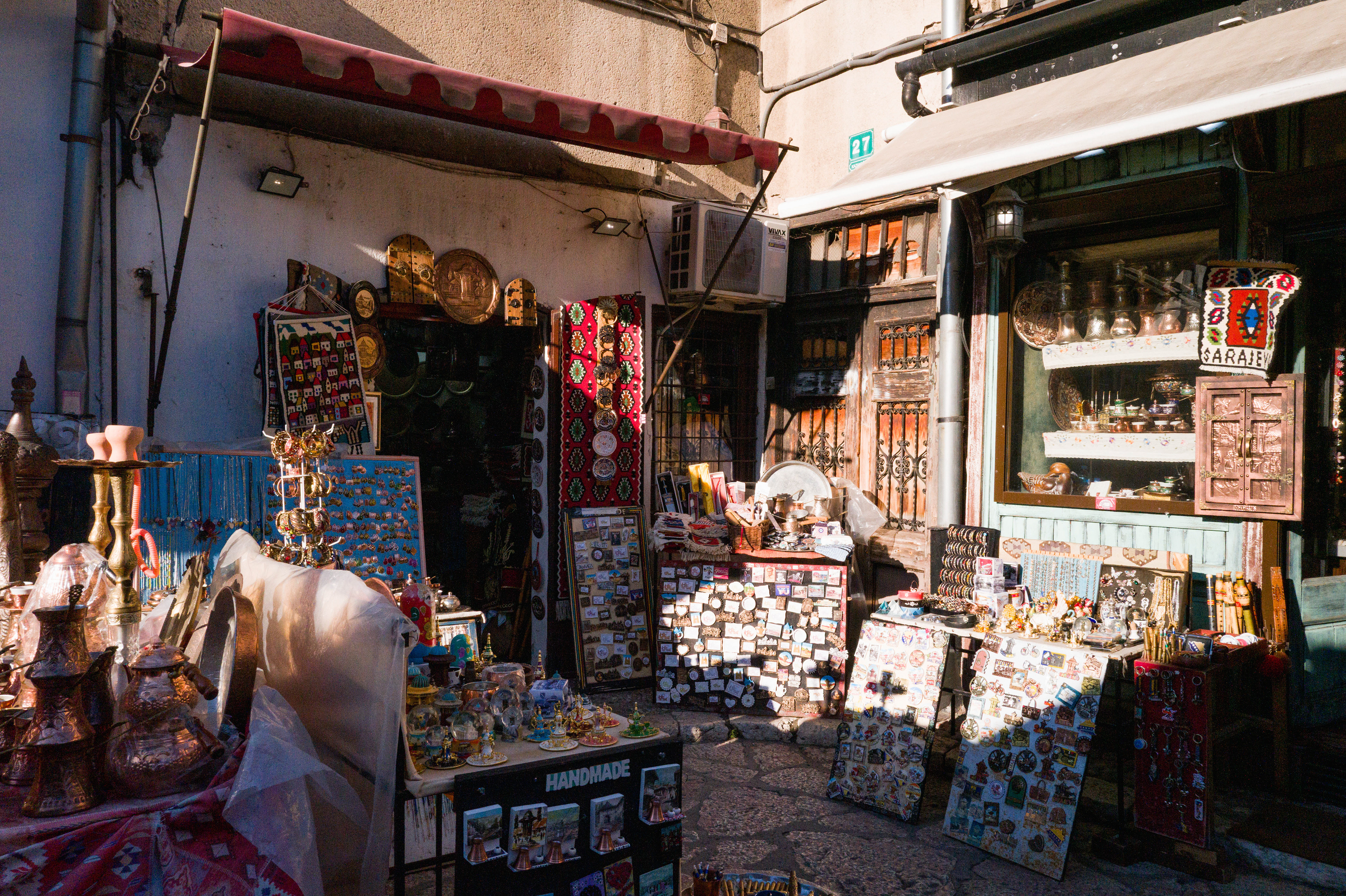
One of our favourite areas was Kazandžiluk, the Copper Alley, where the tiny workshops and shops are packed with traditional copperware. The intricate designs, the craftsmen working away and the displays spilling onto the street made it impossible not to stop and look.
We also made sure to find the famous “Sarajevo Meeting of Cultures” line, marked in the pavement where the Ottoman-influenced Baščaršija meets the Austro-Hungarian part of the city. We literally crossed from one side to the other, and it was such a simple but brilliant way of seeing the different influences that have shaped Sarajevo.
And because Sarajevo’s history is impossible to ignore, we also went looking for the city’s famous Sarajevo Roses. These red markings in the pavements are mortar scars from the shells that fell during the siege of Sarajevo, filled with red resin in memory of those who lost their lives. Finding them scattered amongst the everyday life of the city was a really poignant reminder of the much more recent history beneath our feet.
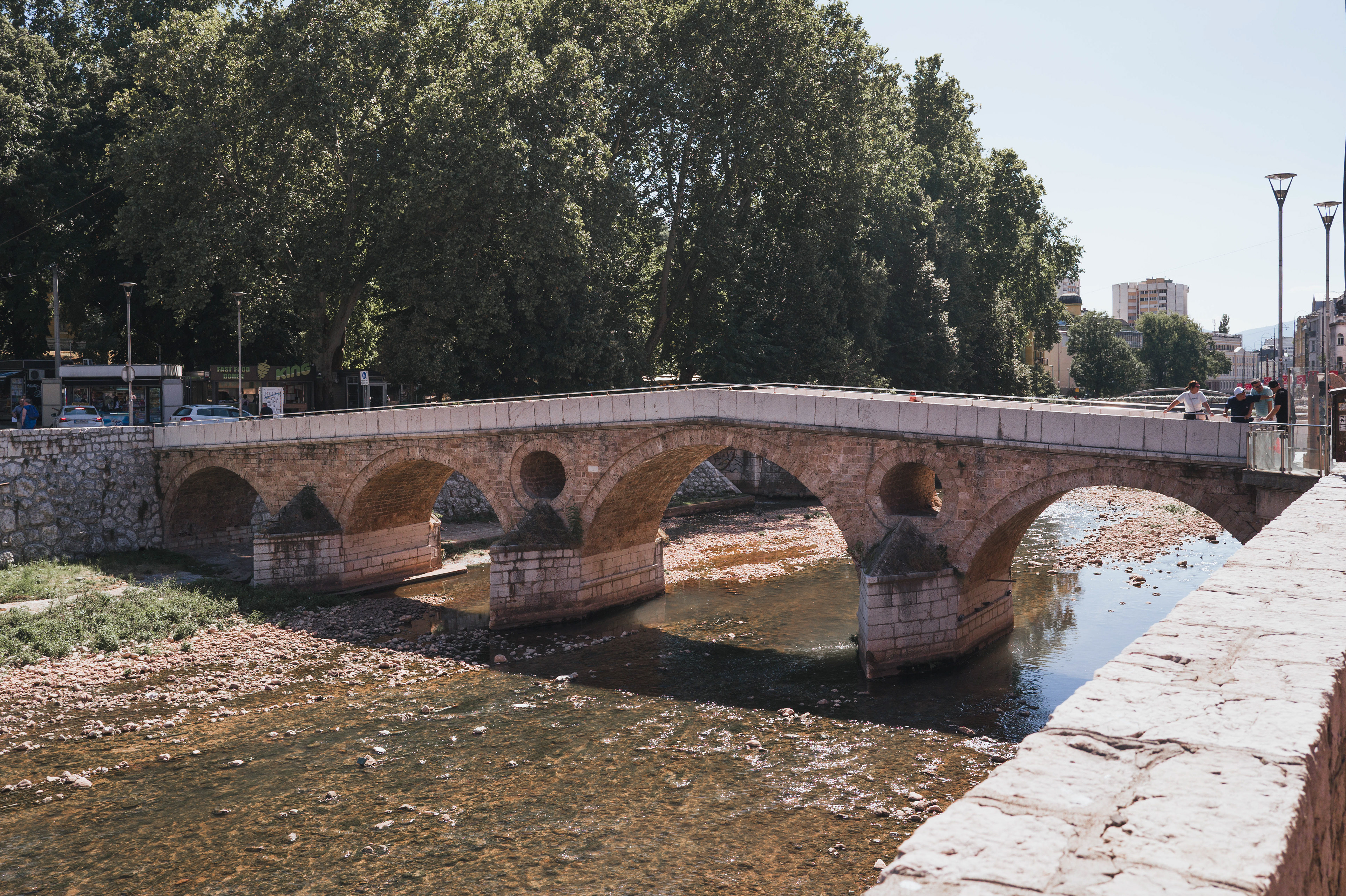
It is impossible to visit Sarajevo without being reminded of its history. This is, after all, the city where the assassination of Archduke Franz Ferdinand took place in 1914, an event widely regarded as the immediate catalyst for the First World War. We stood on Latin Bridge, the famous bridge beside the site of the assassination, and it was one of those moments where something you have read about in history books suddenly feels very real.
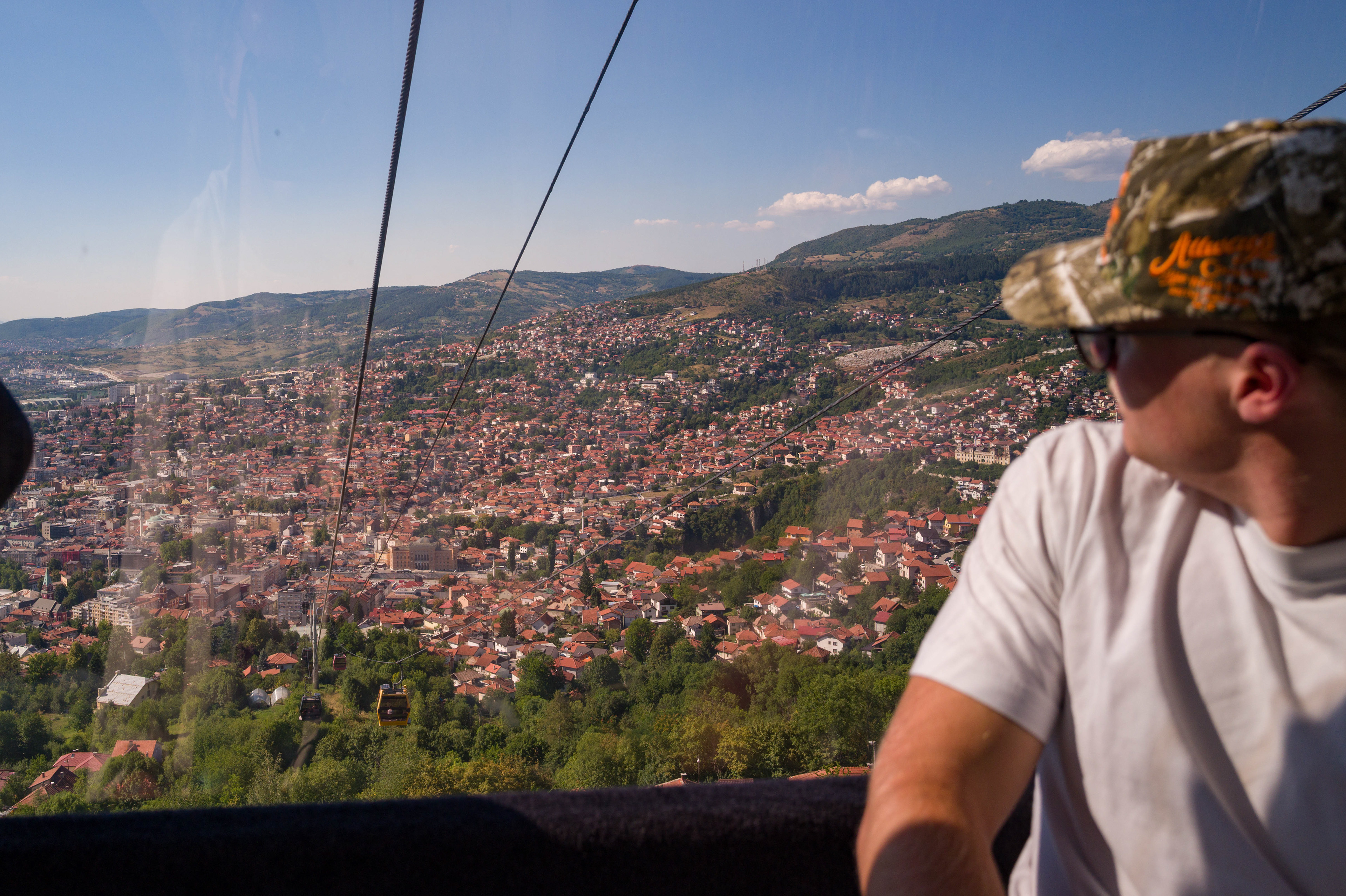
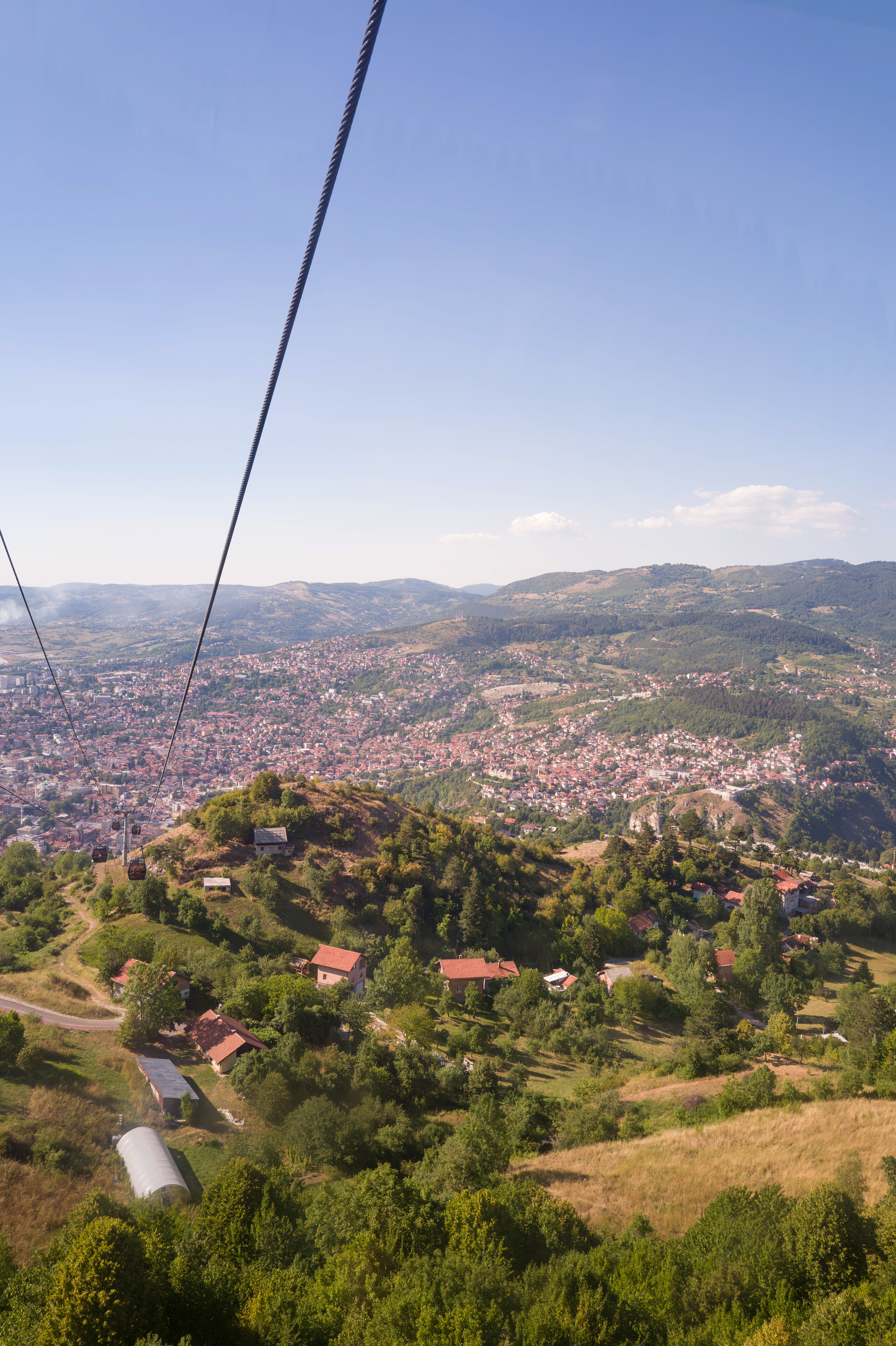
We also took the cable car up Trebević, which gave us a completely different view of Sarajevo. Looking down over the city from above really brought home just how the mountains surround it, with the red rooftops stretching out through the valley below. After spending so much time exploring the streets on foot, seeing Sarajevo from above was the perfect way to appreciate the city as a whole. From here you can wander up to the deserted bobsleigh track from the 1984 Olympics!
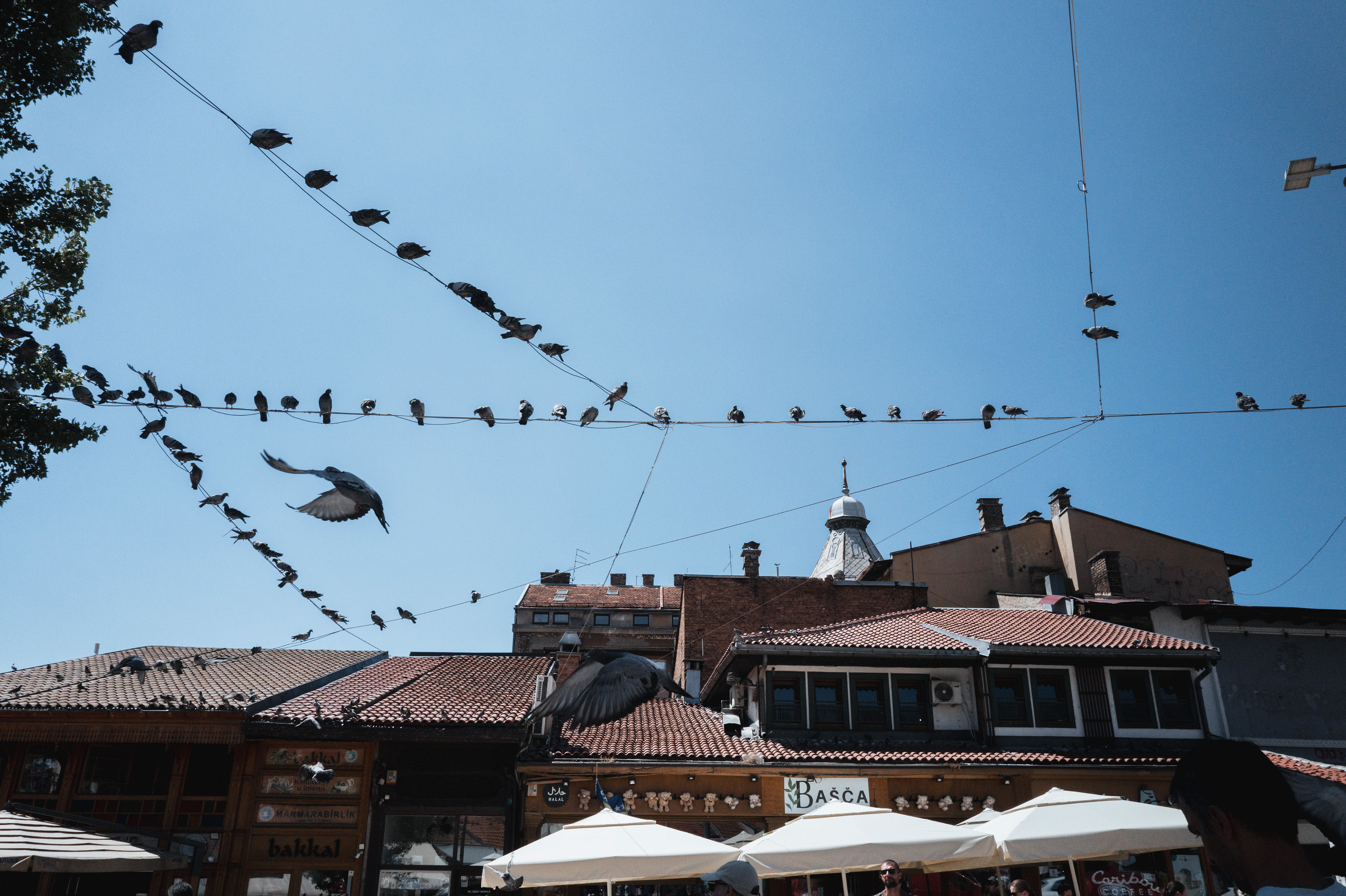
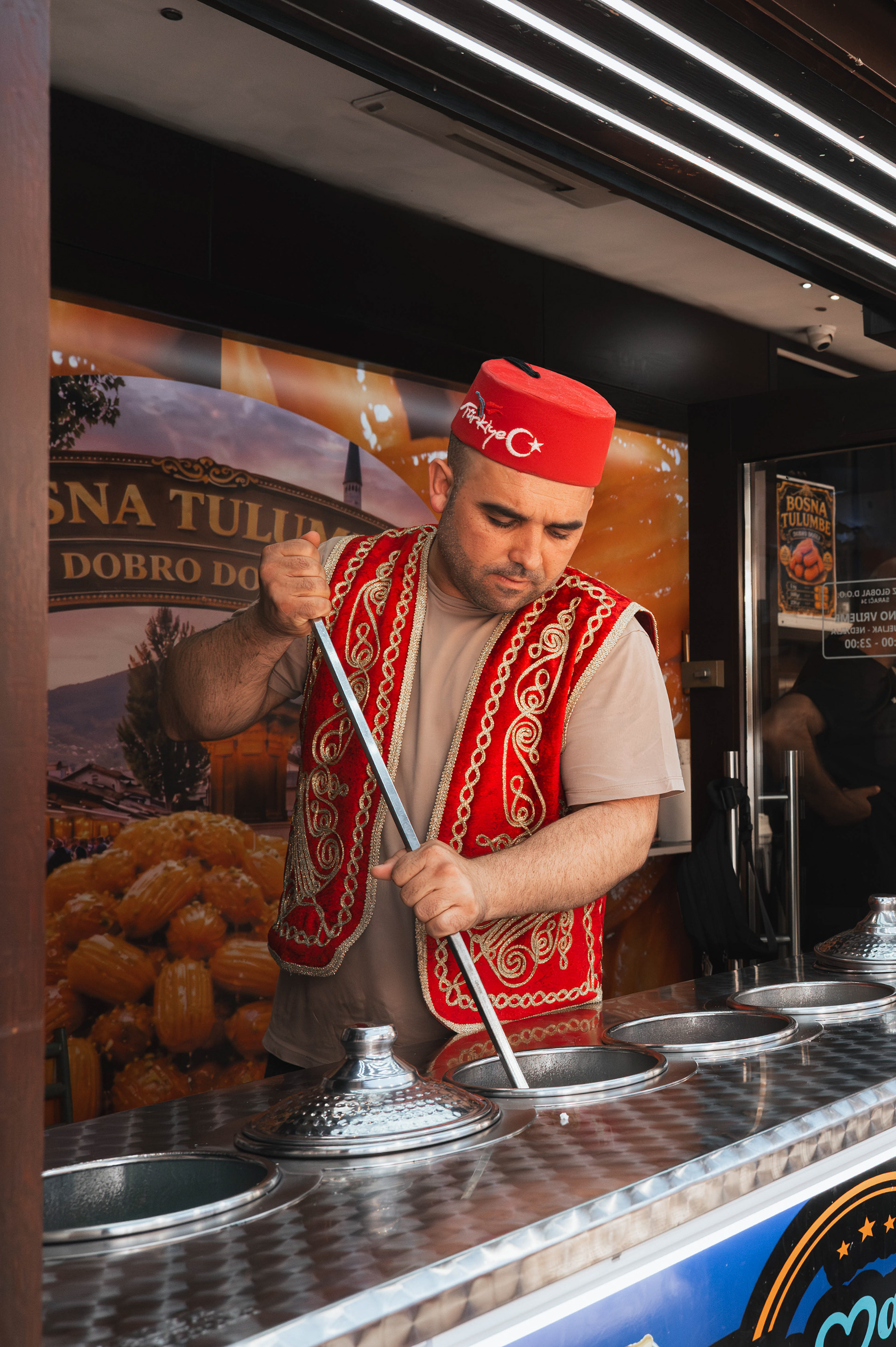
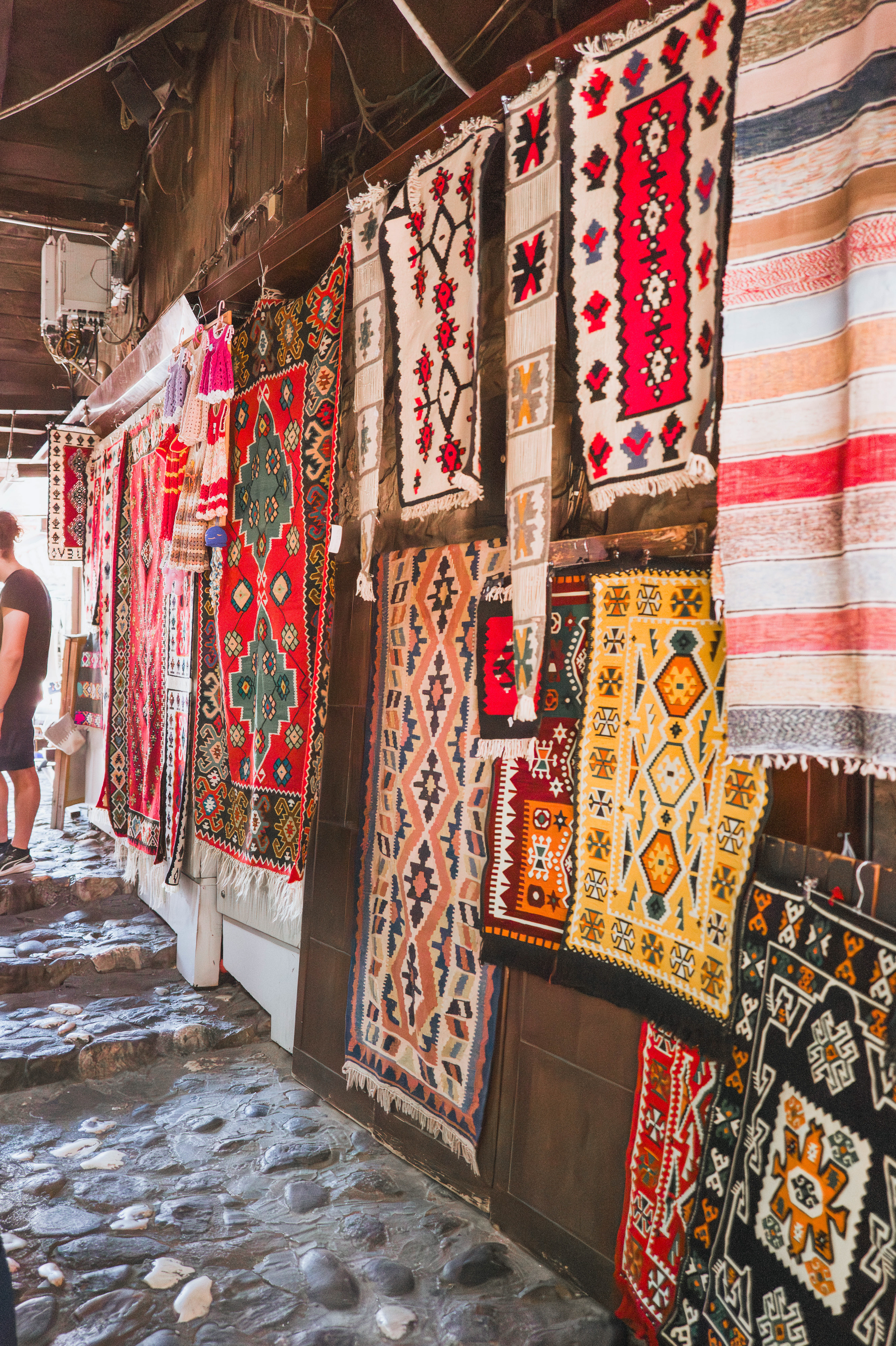
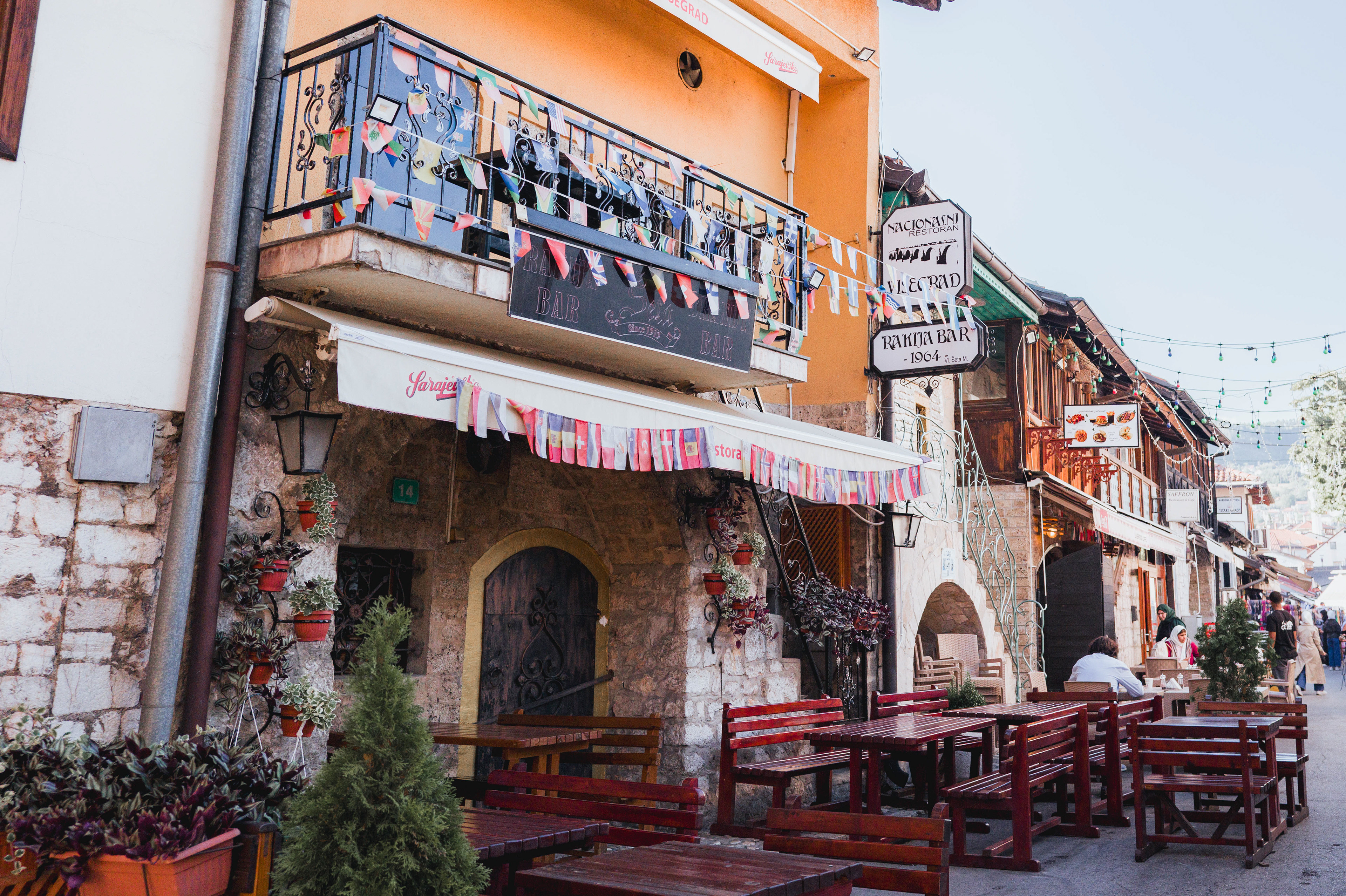
And then there were all the little details that made Baščaršija so enjoyable to explore. The sight and smell of woodburners throughout the town, Cevapi everywhere you look, traditional sweets, Turkish-inspired cafés, colourful shops, old buildings and tiny courtyards tucked away from the main streets. We loved just getting lost amongst it all.
Sarajevo was somewhere we could have spent days exploring. There was something to look at around every corner, and we were completely fascinated by the history, the people and the incredible mix of cultures that make this city so unique.